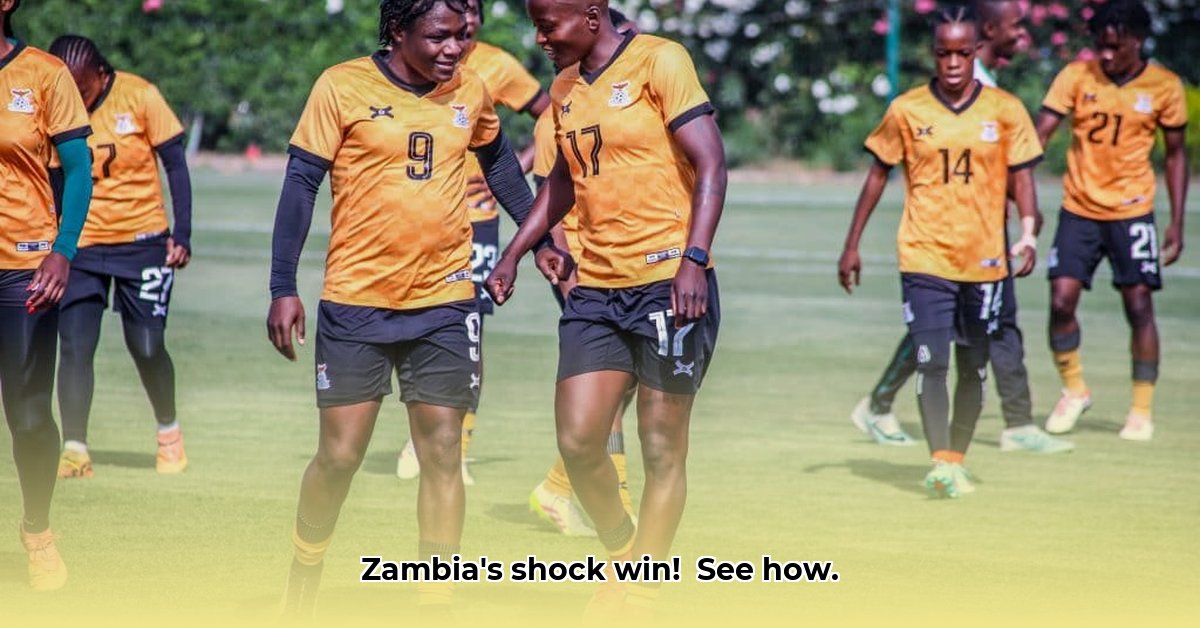
Hey there, football fans! Let's delve into the electrifying clashes between Zambia and Senegal in the recent AFCON matches. These weren't your usual friendlies; these were nail-biting encounters filled with goals, drama, and plenty of talking points. Buckle up for a deep dive into the tactics, player performances, and even the ref's decisions – everything that made this game such a rollercoaster. We’ll unpack what worked for Zambia, what went wrong for Senegal, and offer insights into how both teams can improve.
A Goal-Fest for the Ages: Attacking Prowess and Defensive Gaps
This wasn't a cagey affair; both teams came to attack. Zambia registered 14 shots, while Senegal fired 16 towards goal – that's some serious firepower! The match was a high-octane back-and-forth affair, with both teams creating numerous chances. How many goals did they actually score? The high number of shots highlights the attacking talent but also underscores defensive vulnerabilities which we'll explore further. Was this a sign of excellent attacking play, or simply poor defending?
Barbra Banda: A Masterclass in Attacking Football
Let's be honest, Barbra Banda was the star of the show. Her performance was nothing short of spectacular, bagging multiple goals across the matches. But it wasn't just the goals; her movement was dazzling, her skill sharp, and her instinct for goal uncanny. She was a constant threat, giving the Senegalese defence a real headache. While she didn't single-handedly win the matches, her impact was undeniable. What could other Zambian players learn from Banda's movement and positioning?
Defensive Hiccups: A Common Thread for Both Teams
While Banda shone brightly, neither team could boast a watertight defence. Zambia, despite their wins, conceded goals, highlighting a clear area for improvement. Senegal, despite their own attacking threat, struggled to maintain leads, showcasing similar defensive inconsistencies. It's a common story: attacking flair overshadowed by defensive weaknesses. Could improved midfield shielding have mitigated these issues?
Penalty Decisions: A Cause for Concern?
The number of penalty decisions during the matches raised eyebrows. While we can’t definitively judge calls without reviewing video replays, the sheer number suggests room for improvement in consistent refereeing. Consistent application of the rules is crucial for fair play. Should CAF invest in enhanced referee training, or perhaps explore using technology to enhance accuracy?
Tactical Approaches: Contrasting Styles, Similar Outcomes
Tactically, we witnessed contrasting styles. Senegal relied heavily on set pieces and penalties, a high-risk, high-reward strategy. Zambia showed more flexibility, scoring from open play and adapting well to Senegal's approach. Which approach ultimately proved more effective? Both had moments of success, highlighting the importance of adaptability and a flexible game plan.
Player Performances: Beyond the Goals and Statistics
Let's delve beyond the scoresheet:
| Player | Team | Key Contributions | Areas for Improvement |
|---|---|---|---|
| Barbra Banda | Zambia | Exceptional finishing, constant attacking threat | Needs better support from the midfield |
| Fatma Samoura | Senegal | Strong midfield presence, creative passing | Needs to improve her assist conversion rate |
| Lushomo Mweemba | Zambia | Solid defensive contributions, crucial tackles | Needs to maintain consistency throughout |
| Hawa Cissé | Senegal | Excellent shot-stopping, crucial saves | Could improve on distribution from the back |
This table offers a snapshot; deeper statistical analysis (passing accuracy, tackles won, etc.) would provide a more comprehensive assessment.
The Road Ahead: Actionable Insights for Future Success
Both teams have clear paths to improvement. Zambia needs to strengthen their defensive organisation and midfield support for Banda. Senegal must maintain their intensity throughout matches and improve their defensive compactness. Additionally, CAF needs to look into referee training and potentially explore technology to enhance consistency. These matches provide valuable lessons, setting the stage for exciting future clashes.
How to Improve Zambia's and Senegal's Defensive Strategies
Barbra Banda’s individual brilliance was undeniable, but could it compensate for Zambia’s defensive weaknesses? This was the central question before the match.
A Study in Contrasts: First Half vs Second Half
The first half saw Senegal dominating possession with their solid defence stifling Zambia’s midfield. Zambia, relying on Banda's individual brilliance, struggled to create quality chances. Senegal’s defensive shape was resolute. However, Zambia’s counter-attacks, though infrequent, held danger. The second half saw a shift; Zambia increased the pressure, revealing cracks in Senegal’s usually strong defense.
Tactical Analysis: Formations and Defensive Flaws
Senegal's 4-4-2 prioritised defensive solidity. Their midfield and full-backs limited Zambia’s wing play initially. However, their high line made them vulnerable to through balls. Zambia's 4-3-3 highlighted the need for better midfield protection of their defense.
Key Players: Individual Performances and Team Dynamics
While Banda’s impact was undeniable, the game also highlighted the need for better attacking support. Senegal's central defenders shone initially but their performance dipped in the second half.
Addressing Defensive Vulnerabilities: Key Areas for Improvement
Both teams need to improve – Zambia by improving their midfield shield for their defence; Senegal by maintaining consistent intensity throughout games. They both need to focus on tighter marking and quicker transitions. Improved midfield control is essential.
Key Takeaways: Lessons Learned and Future Implications
- Zambia's attack, spearheaded by Banda, proved potent but needs more midfield support.
- Senegal’s defense, though strong initially, showed vulnerability when pressed.
- Both teams need to improve their midfield link with their respective defence.